Stop your AI from generating boring, generic slop.
Ana — who runs Folderly with me — asked me to explain how to design with AI. So here we go: the skill, the before/after, and what I built with it, all in one place.
A model with no art direction returns the internet's average — the purple glow, the floating blobs, the fake dashboard. taste-skill is the written-down taste that makes it execute your decision instead.
Full disclosure, because it's the whole point: I didn't make this. It's Leon Lin's open-source project — 45,000+ stars, MIT-licensed, works in Codex, Cursor, and Claude. I share a fork of it, the way you'd hand a friend a great tool. This page is what stealing a skill well looks like: here's the skill, here's what I built with the discipline, take it — and credit Leon.
npx skills add https://github.com/Belkins/taste-skillSlop, then taste.
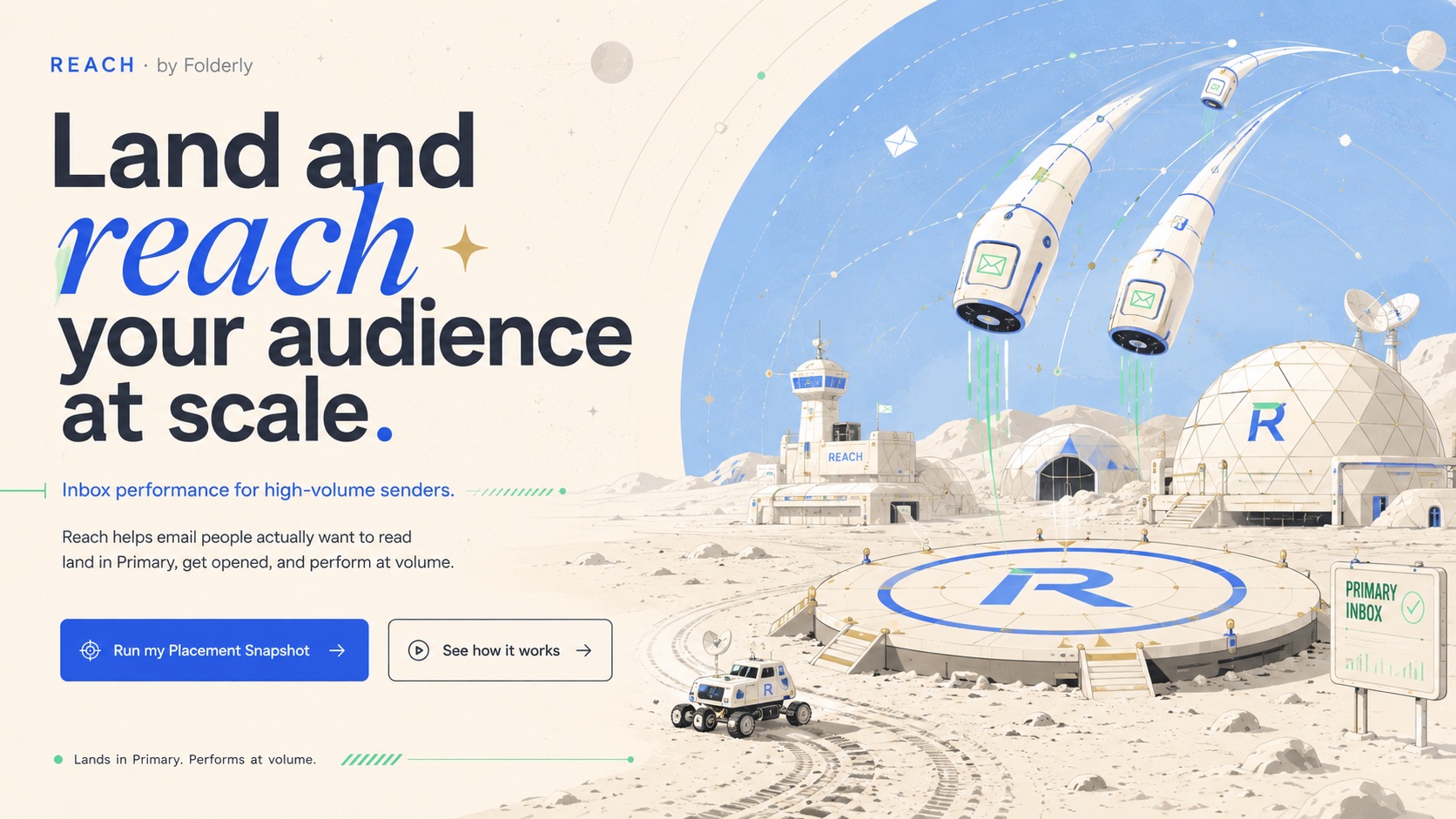
Same prompt. The only variable is the art direction.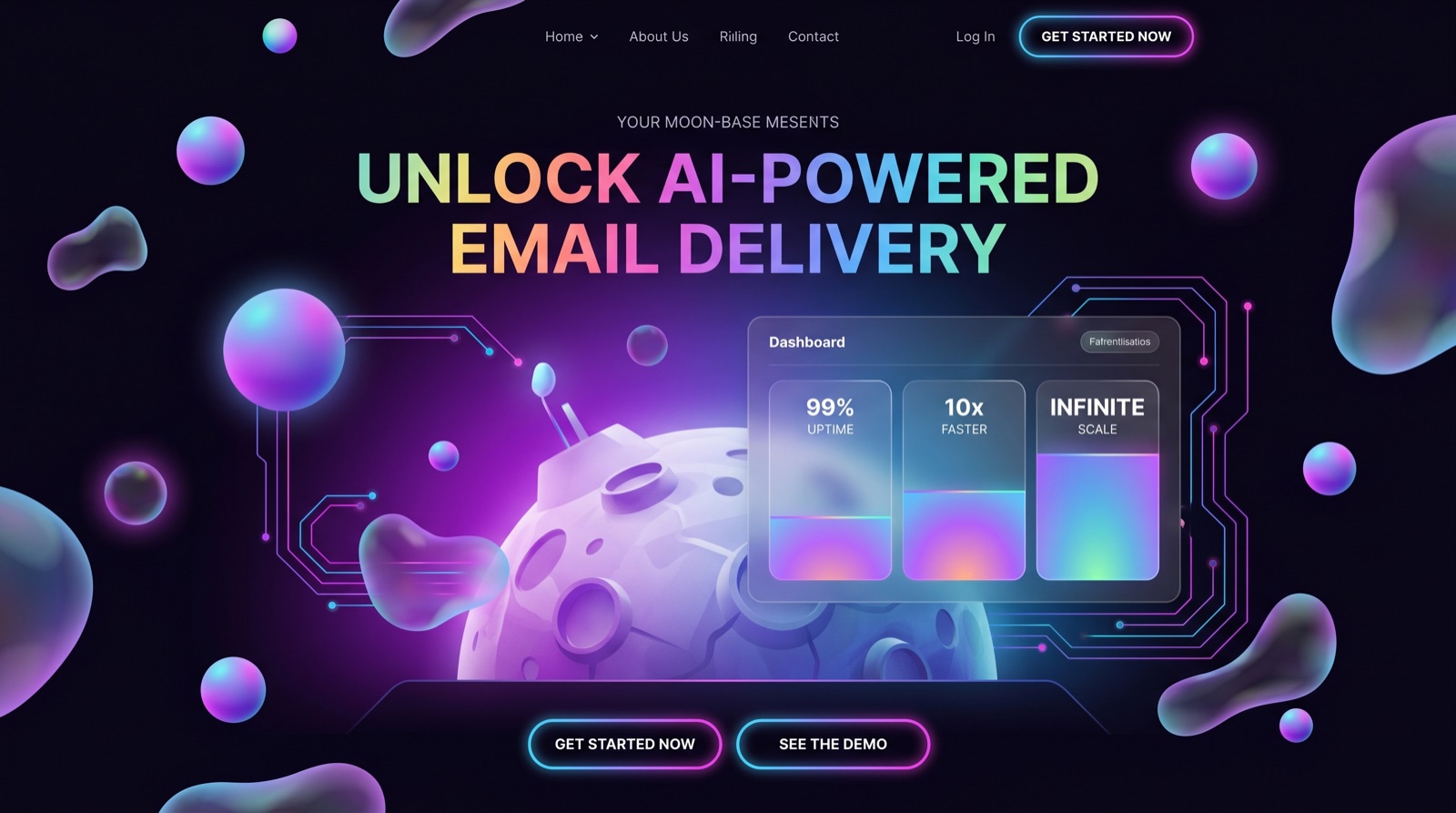
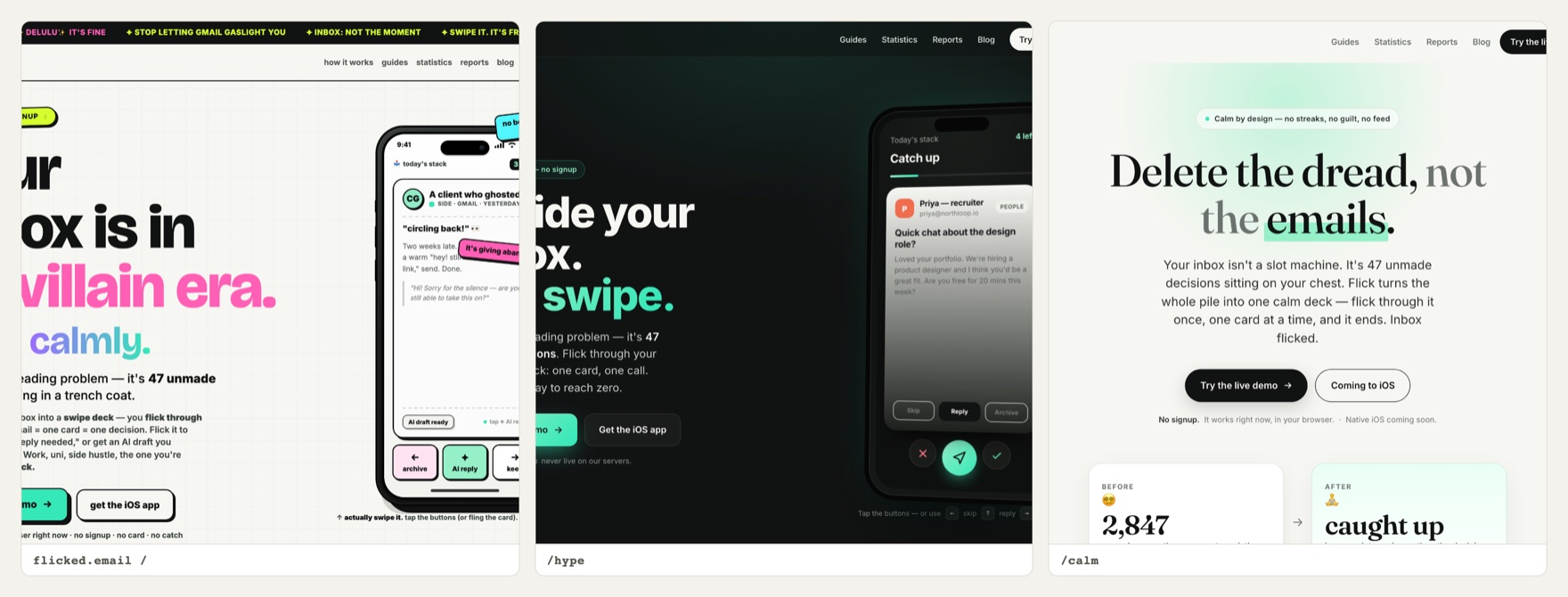
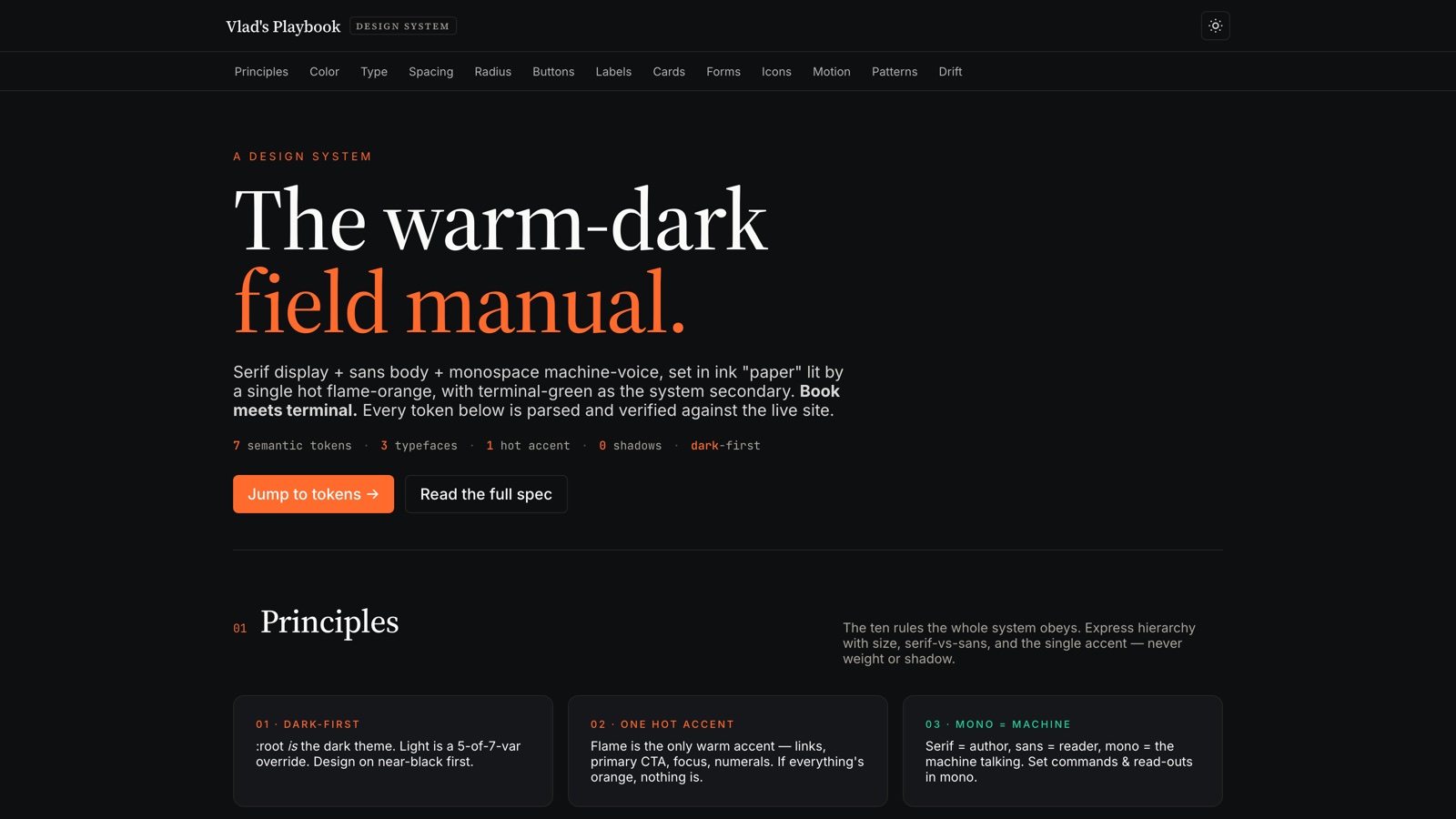
It's a collection.
Install all of them at once, or one by name. The repo lists the exact install names.imagegen-frontend-web flagship Art-directed website images — one image per section, the anti-slop ban-list, a consistent palette across the whole set.
imagegen-frontend-mobile Premium app-screen concepts and flows — readable hierarchy, multi-screen consistency, clean phone-mockup framing.
design-taste-frontend The anti-slop frontend skill: reads the brief, infers the direction, ships landing pages and portfolios that escape the template look.
high-end-visual-design Design like a high-end agency — the exact fonts, spacing, shadows and structures that make a site feel expensive, and the defaults that make it look cheap.
redesign-existing-projects Audit an existing site, find the generic AI patterns, and upgrade it to premium without breaking anything.
brandkit Premium brand-guideline boards, logo systems and identity decks — lock a brand world so everything downstream stays on it.
image-to-code Generate the design image first, analyze it, then build the site to match — section-specific, no cards-in-cards.
minimalist-ui · industrial-brutalist-ui · gpt-taste Style skills — commit to one art direction (clean editorial, raw brutalist, or GSAP-motion editorial) instead of averaging them into mush.
Sixty seconds.
- Install:
npx skills add https://github.com/Belkins/taste-skill(my fork) — or one skill:--skill "imagegen-frontend-web". Prefer the source? Swap inLeonxlnx/taste-skill. - Write the intent first: what is this for — loud or calm, the emotion, the positioning. One sentence, before you prompt.
- Ask for the design. The skill fires, kills the slop defaults, and holds one world across every frame.
- Cull the misses. Image models are stochastic — the skill biases toward your taste; you still pick.
Honest note: the image-generation skills hand the prompt to an external image model (ChatGPT, Midjourney, etc.) — Claude doesn't generate images. The skill is the art direction; the image model is the brush. That's the which-model-for-which-job rule made literal.
- The skill is Leon Lin's, not mine — the original is tasteskill.dev / Leonxlnx/taste-skill (45k+ stars, MIT, with its own research corpus on model "laziness"). I share a fork at github.com/Belkins/taste-skill so it sits with everything else I share — credited to its author, not claimed.
- The receipts are art-direction studies. flicked.email is a live product; the Reach moon-base set is a pre-build concept (the name isn't locked) — both made with an image model and the discipline, not shipped-and-scaled claims.
- No invented numbers. The slop image's "99% · 10× · INFINITE" is the parody; nothing here is a metric I don't have.
Chapter 46 — Designing with AI
The full reading: taste is the last mile, and how this skill fits the picture.
Chapter 39 — Skills You Should Steal
The philosophy: take the good public ones, credit the author, ship.
Starter skills
Six more drop-in SKILL.md files, in my voice.
Resources
The copy-paste vault: CLAUDE.md skeletons, hooks, templates.